

Viber vs WhatsApp: What’s the difference and which app is better?

Messaging apps have changed the way people communicate. Today, millions of people1 use apps to send messages, make calls, share photos, and stay connected with family and friends around the world.
Two of the most popular messaging platforms are Viber and WhatsApp. Both apps offer free messaging, voice calls, and video calls through the internet. Since they provide similar features, many users often ask Viber vs WhatsApp – which one is better?
What is Viber?
Viber is a messaging and calling app that allows users to communicate through the internet. It was first released in 20102 and later acquired by the Japanese technology company Rakuten3.
Messaging and communication features
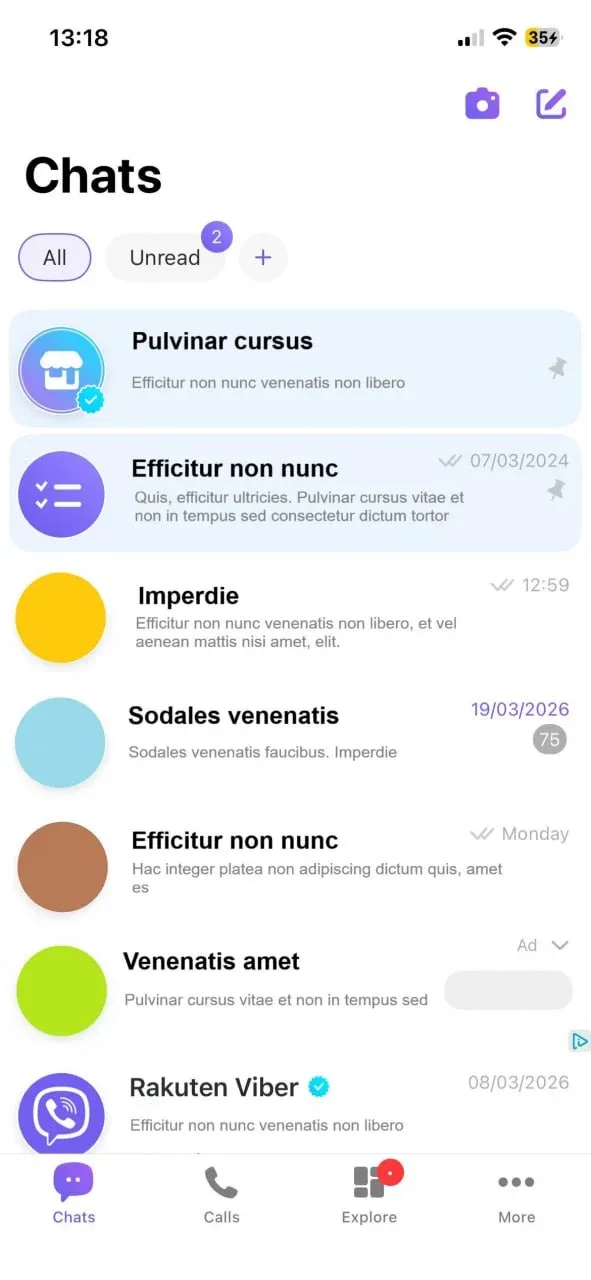
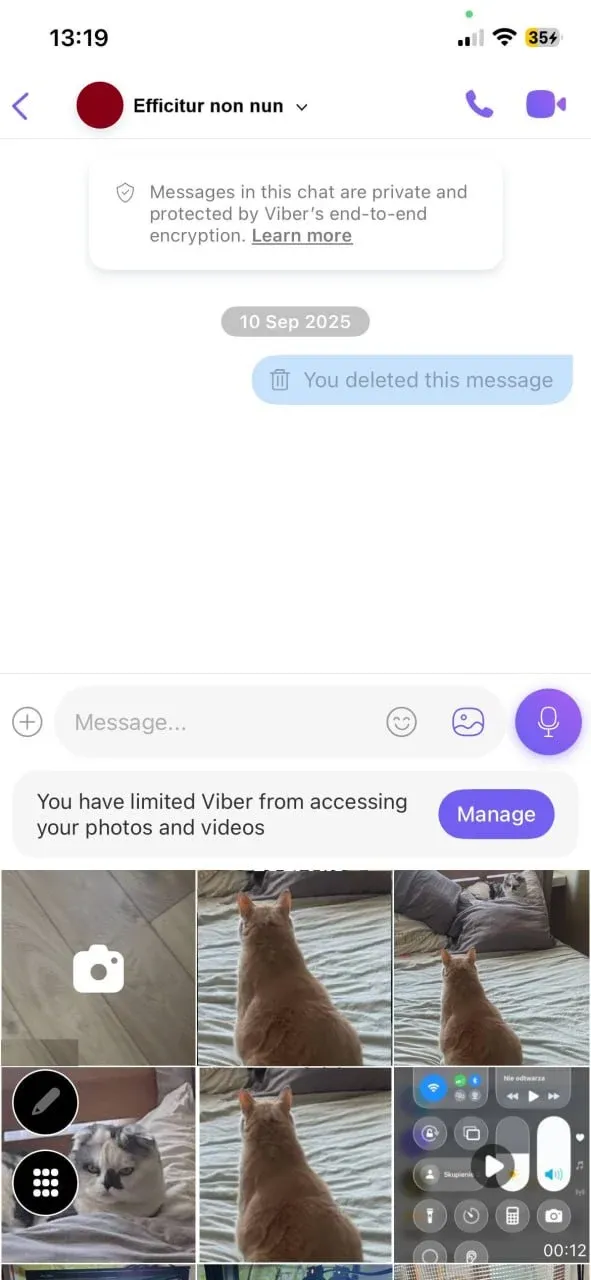
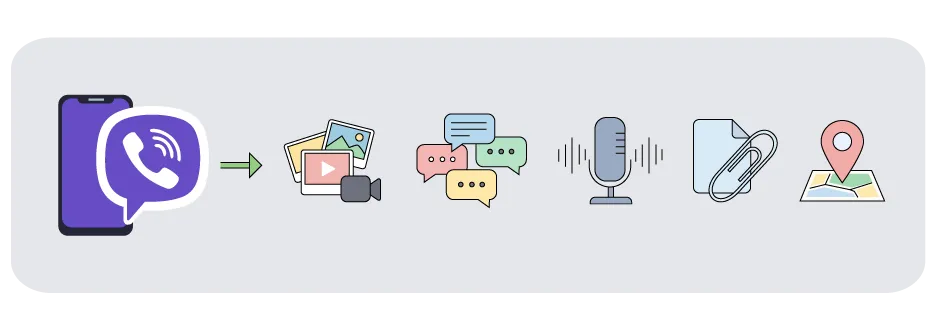
Viber allows users to send:
- Text messages
- Photos and videos
- Voice notes
- Documents and files
- Location information
Like many messaging apps, it works through an internet connection instead of traditional SMS networks.
Voice and video calls
One of the main features of Viber is internet calling. Users can make:
- Free voice calls to other Viber users
- Video calls with friends or family
- Group calls with multiple participants
Because the calls use internet data instead of mobile minutes, they can help people communicate internationally without expensive phone charges.
Stickers and communities
The app also includes Viber Communities4, which are large chat groups where thousands of members can participate. These communities are often used by brands, influencers, or organizations to connect with followers.
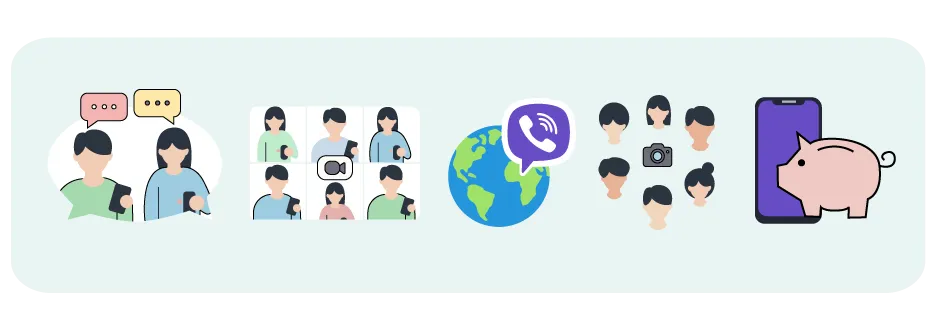
How Viber works
Understanding how Viber works is easy. After installing the app, users register with their phone number. The app then connects to their phone contacts and identifies which friends are already using Viber.
Once registered, users can start chatting or calling other Viber users through the internet using Wi-Fi or mobile data.
This system allows people to communicate quickly without needing usernames or email addresses.
What is WhatsApp?
WhatsApp is another popular messaging app used by billions of people worldwide. It was launched in 20095 and later acquired by Facebook6 (now Meta).
Like Viber, WhatsApp allows users to send messages, share media, and make voice or video calls over the internet.
Messaging features
WhatsApp supports many types of communication, including:
- Text messages
- Photos and videos
- Voice messages
- Documents
- Live location sharing
Users can also create group chats to communicate with multiple people at once.
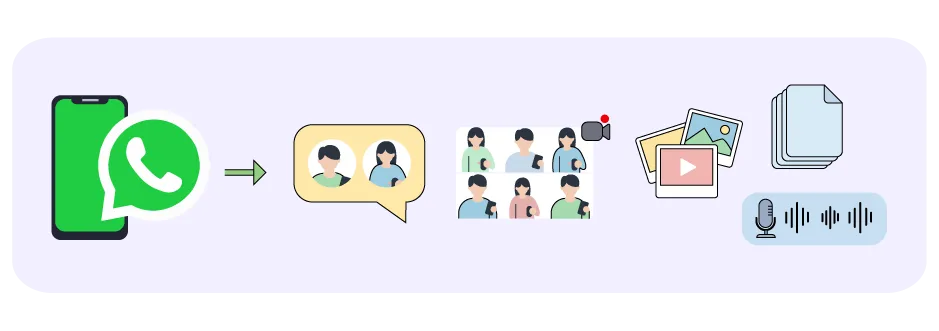
Voice and video calls
The app also supports group video calls, making it useful for family conversations and team discussions.
End-to-end encryption
One of the most well-known features of WhatsApp is its security. Messages and calls are protected with end-to-end encryption developed in collaboration with Open Whisper Systems7.
This encryption ensures that only the sender and the receiver can read messages. Even WhatsApp itself can’t access the content of the communication.
Because of this, many people ask: is WhatsApp secure? Generally, the answer is yes, due to its strong encryption technology.
Global usage
WhatsApp has more than 2.9 billion users worldwide8. It’s widely used for personal communication, business messaging, and international conversations.
Because of its massive user base, many people already have WhatsApp installed, which makes it easier to connect with others.
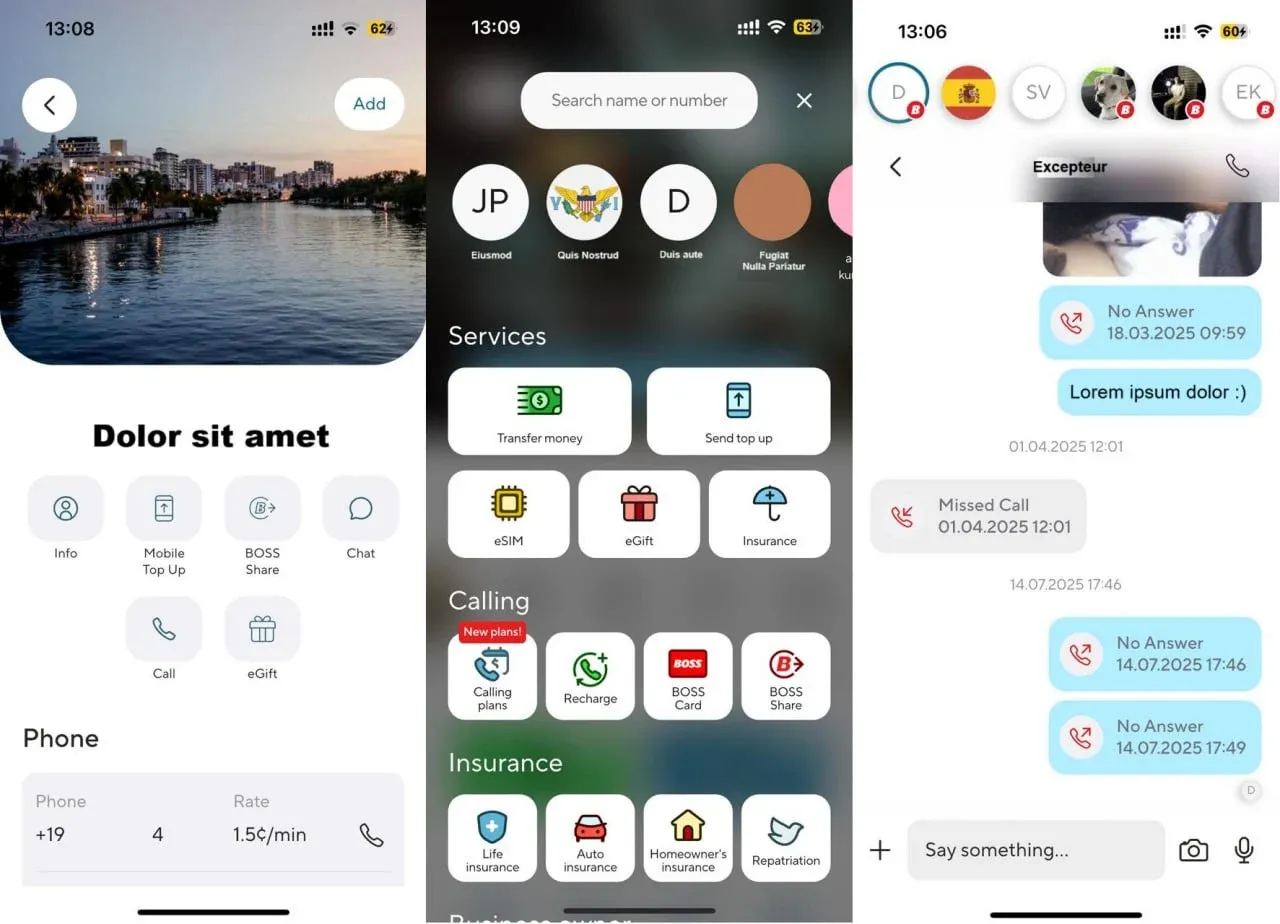
What is BOSS Revolution?
BOSS Revolution is an international communication and payments app designed for people who stay connected across borders. It lets users make affordable voice calls to mobile and landline numbers worldwide, use eSIM for data, and exchange text, photo, and video messages.
In addition to communication, the app supports mobile top‑ups, money transfers, and eGifting, and gives access to curated news, radio, weather, sports, video, and movies making it a single hub for both connectivity and everyday services.
Viber vs WhatsApp: Key differences
Many people compare these apps when choosing a messaging platform. Let's look at the difference between Viber and WhatsApp.
| Feature | Viber | BOSS Revolution | |
|---|---|---|---|
| Users | Over 1 billion worldwide9 | Over 3 billion worldwide | Over 6 million active customers worldwide |
| Security | End-to-end encryption | End-to-end encryption | Secure payments and encrypted connections |
| Calls | Voice and video calls | Voice and video calls | Voice, eSIM, calls to mobile and landline numbers worldwide |
| Messaging | Text, photos, videos, stickers | Text, photos, videos, voice notes | Text, photos, videos + top-ups, money transfer and eGifting |
| Communities | Large communities available | Group chats only | News, radio, weather, sports, video and movies |
| Popularity | Popular in Eastern Europe & Southeast Asia | Popular globally | Used globally for international calling |
Security and privacy: Is Viber or WhatsApp safer?
Security is an important factor when choosing a messaging app. Many users ask questions like is Viber safe or is WhatsApp secure.
Both apps use strong encryption, but there are differences in how they handle privacy.
Viber security
Viber security includes end-to-end encryption for messages, voice calls, and video calls. This means conversations are protected from outside access.
It also allows users to:
- Hide chats
- Delete messages after sending
- Lock chats with a PIN
These features help users control their privacy.
WhatsApp security
WhatsApp uses an encryption protocol developed by Open Whisper Systems (as mentioned). This protocol is often considered a leading encryption system used in messaging apps.
The encryption ensures that messages can’t be read by hackers, governments, or even WhatsApp itself.
Metadata and privacy policies
Although both apps encrypt message content, they may still collect metadata, such as:
- Phone numbers
- Contact lists
- Time of communication
This data helps apps operate and improve services but can raise privacy concerns for some users.
In general, both apps offer strong protection, but privacy preferences may influence whether someone chooses Viber or WhatsApp.
Where are Viber and WhatsApp popular?
So, where is Viber popular? Viber is especially popular in Eastern Europe, with many users in Ukraine and Russia. It is also widely used in the Philippines, Bulgaria, and some areas of the United States. The app caught on early in these places, and features like communities and stickers help keep users interested.
People rely on it daily for texting, sharing photos and videos, and making calls. Its huge user base and ability to work on different devices make it easy to connect with others.
Messaging and calling features
Both WhatsApp and Viber offer similar core functions; however, there are still some differences.
Voice Calls
Each app offers good voice call quality, but it depends on your internet connection. WhatsApp is usually stable worldwide, while Viber may work better in places with a large user base. Plus, Viber also offers a feature called Viber Out10, which allows users to call regular phone numbers for a small fee.
Video Calls
Both apps let you make video calls. WhatsApp allows group video calls with up to 31 people11. Viber also supports group video calls, but the group size depends on your device and internet connection.
Group Chats
Group chats let people communicate with several people at once. WhatsApp group chats are easy to create and popular. Viber offers extra features, like communities, where thousands of people can join discussions or share updates about a topic or interest.
Communities
Stickers and media sharing work in both apps, but communities give Viber an edge for larger, interest-based conversations.
Viber vs WhatsApp for international communication
Messaging apps make it simple to chat or video call friends, family, or coworkers in other countries. WhatsApp and Viber both work well for international conversations as long as your internet connection is stable.
You might run into problems if your connection is weak or if you need to call someone’s mobile or landline. Regular messaging apps can’t reach people who don’t use the app unless you pay extra.
The best tool depends on what you need. Messaging apps are great for chatting and video calls over the internet. But if you want reliable international calling, BOSS Revolution is a practical way to reach anyone, anywhere.
Viber pros and cons
Here are some of the main advantages and disadvantages of using Viber.
Viber has reliable messaging and calling. You can join group chats or communities for big conversations with friends or people who share your interests. Stickers and media sharing add fun to chats. End-to-end encryption keeps your messages and calls private. The app is especially popular in places with a large user base.
Viber can feel limited if not many people use it in your area. Video calls might not be as stable as WhatsApp’s, especially with a weak internet connection. Some users may worry about privacy because Viber collects metadata.
WhatsApp pros and cons
Here are some pros and cons of WhatsApp, which help explain why so many people use it around the world.
WhatsApp offers reliable messaging and calls almost anywhere. Voice and video calls usually work well. Group chats are easy to use and very popular. End-to-end encryption keeps your chats private. You can use one WhatsApp account on multiple devices, so it’s easy to stay connected with people everywhere.
WhatsApp only works with an internet connection, so call quality can drop if your connection is weak. You can’t call landlines or regular mobile numbers unless you buy extra services. WhatsApp also collects metadata, such as device information and usage data, which might worry people who care about privacy.
Is Viber safer than WhatsApp?
Both apps use end-to-end encryption to keep your messages and calls secure. WhatsApp’s encryption is developed by Open Whisper Systems. Viber also protects your chats and calls, but their privacy policies and how they handle metadata are a bit different.
Is Viber free to use?
Yes, Viber is free for messaging, voice calls, and video calls with other Viber users. Some premium features, like certain stickers or international calls, might cost extra.
What are apps like Viber and WhatsApp?
These messaging apps let you send texts, share photos and videos, and make voice or video calls using the internet.
Which app is more popular, Viber or WhatsApp?
WhatsApp has a larger global user base, while Viber is stronger in regions like Eastern Europe, the Philippines, and Bulgaria.
Can you make international calls with Viber?
Yes, but you usually need Viber Out credits for international calls. If you want to call phone numbers directly, services like BOSS Revolution might work better.
What is Viber used for?
People use Viber for messaging, voice and video calls, group chats, and joining communities.
Conclusion
Viber and WhatsApp are both helpful messaging apps that make it easy to stay connected. They offer secure messaging and calls, but your choice may depend on where you live and which app your friends and family use. Viber is especially popular in Eastern Europe, the Philippines, and Bulgaria, and it has group and community features that many people there enjoy. On the other hand, WhatsApp is used worldwide, so it’s often easier to reach people in different countries.
Both apps are good for everyday messaging and calls over the internet, but you need a steady internet connection for them to work well. If you want to call phones or landlines in other countries, services like BOSS Revolution might be more reliable and cost less. Think about the features, security, and how many people you know use each app to help you decide which one suits you best. In the end, both apps make it easy to communicate online, and the best choice depends on who you want to reach, where you are, and what kind of calls you need to make.
Sources: all third party information obtained from applicable website as of March 16, 2026
- https://www.businessofapps.com/data/messaging-app-market/
- https://venturebeat.com/technology/chat-app-viber-now-lets-you-buy-local-numbers-that-anyone-can-call-you-on
- https://www.bbc.com/news/business-26186031
- https://www.viber.com/en/communities/
- https://www.cnbc.com/2018/01/19/how-jan-koum-got-the-idea-for-whatsapp.html
- https://www.cnbc.com/2022/08/18/how-whatsapp-grew-from-near-failed-app-to-metas-next-monetization-push.html
- https://venturebeat.com/ai/whatsapp-partners-with-open-whisper-systems-for-end-to-end-encrypted-messages
- https://www.businessofapps.com/data/whatsapp-statistics/
- https://worldpopulationreview.com/country-rankings/viber-users-by-country
- https://d3.harvard.edu/platform-digit/submission/viber-who-needs-a-cell-phone-plan-anyway/
- https://faq.whatsapp.com/694650704942053/?cms_platform=windows-desktop&helpref=platform_switcher
This article is provided for general information purposes only and is not intended to address every aspect of the matters discussed herein. The information in this article is not intended as specific personal advice. The information in this article does not constitute legal, tax, regulatory or other professional advice from IDT Payment Services, Inc. and its affiliates (collectively, “IDT”), and should not be taken or used as such by any individual. IDT makes no representation, warranty or guaranty, whether express or implied, that the content in this article is current, accurate, or complete. You should obtain professional or other substantive advice before taking, or refraining from, any action on the basis of the information in this article.
