

Guide to cheap international calls: options for Africa

Calling Africa from the United States can still cost more than people expect. Even now, there is no single system that keeps pricing simple. You might pay very little for one country and much more for another.
A big reason is how different each country is. Telecom networks across Africa are not the same. Some places have strong coverage and better pricing. Others still deal with weak connections or fewer providers. Because of this, the cheapest way to call Africa depends on where you are calling from.
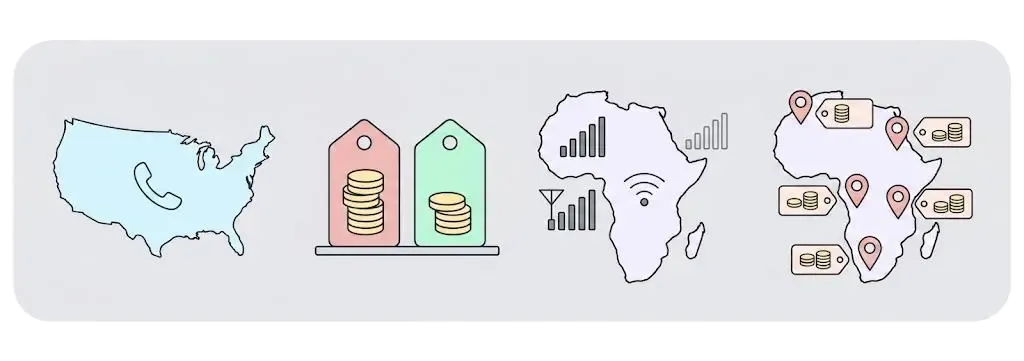
Traditional carriers do not help much, as their international rates are often high. In some cases, calls go over $1 per minute. This is especially common when you call mobile numbers. On top of that, there can be extra fees that are not clear at first.
Because of this, many people now use apps instead of carrier plans. These apps give more control over cost. They also make it easier to track how much you spend. Still, not every option works the same way. Some need the internet on both sides. Others only need it on your side.
Before you decide how to call Africa, consider a few things:
- The country you are calling
- If the other person has internet
- If they use a smartphone
- How often you plan to call
Why calling Africa from the USA can be expensive
Calling mobile phones in Africa is often more expensive than landlines due to higher local carrier fees. International calls cost more because they pass through many networks. Your call does not go straight to the other country. It moves through different systems before it reaches the final number. Each step adds cost.
Carriers also charge more for mobile numbers. In many African countries, mobile networks have higher fees. So even if you have an international plan, you may still pay more.
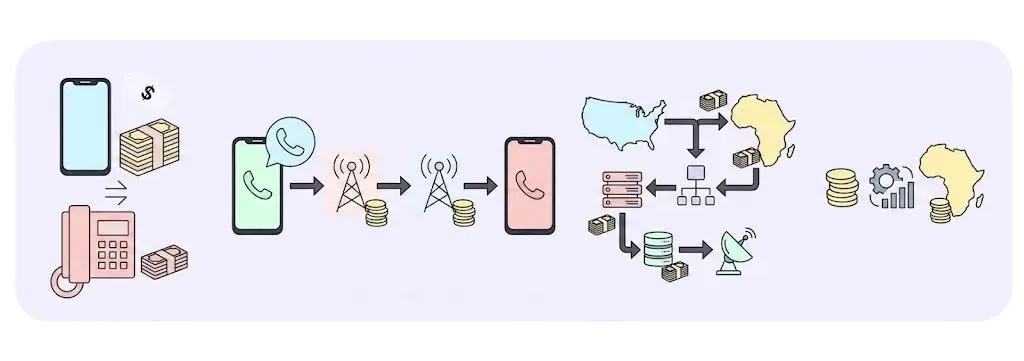 Plans can also be misleading. Some look cheap at first. Then you see limits. They may not cover all countries. They may charge extra to connect a call. Some round up call time.
There is also the issue of network strength. Cities usually have better service. Rural areas do not. Calls may drop. Audio may be cut out. You may have to dial again.
For people who call often, this becomes a real problem. Costs build up fast. At the same time, the quality is not always good.
Cheapest ways to call Africa in 2026
There are a few main ways to make these calls today. Each one fits a different situation. The right choice depends on internet access, the device on the other end, and how often you call.
App-to-app calling
This is the cheapest option. In many cases, it is free. You only need data or Wi-Fi. Apps like WhatsApp5, Telegram6, Viber, and BOSS Revolution are common choices.
Another thing to keep in mind is setup. Both people need the same app. Both need to keep it updated. Some users, especially older family members, may not check the app often, leading to missed calls.
This option is ideal for short calls, quick check-ins, and video calls. However, it is less reliable in places with weak internet or power cuts.
International calling apps
This is the most practical option for many people. It gives you more control and works in more situations. Apps like BOSS Revolution, Yolla, Rebtel, and Talk360 let you call on the network.
The person you are calling does not need the internet, nor an app. You place the call from your phone, and it rings like a normal call on their side. This makes it easier to reach people who use basic phones or who do not stay online.
You can also track your balance and call history inside the app.
Call quality is usually steady if your internet is stable. It does not depend on the other person’s connection. This makes it a good choice for longer calls or regular contact. For many users, this is the easiest way to keep costs down without changing how the other person answers the phone.
Traditional calling cards
Calling cards to Africa still exist, and some people still use them out of habit. The idea is simple: you buy credit, then dial an access number, enter a PIN, and place your call.
It can work if you do not want to install an app. It can also help if you prefer paying cash at a store. Some cards advertise low rates for certain countries, which can look appealing at first.
But there are a few issues to watch. Extra fees are common. Some cards charge a fee when you connect. Some reduce your balance over time if you do not use it. Rates can change after the first few minutes. It is not always clear until you check your remaining credit.
The dialing process also takes longer. You have to enter numbers before each call. If you make a mistake, you start again. Call quality can vary, since routing is not always consistent.
Cheapest ways to call Africa by region
Prices for calling are not the same across Africa. The region you are placing your call to makes a big difference. Network strength, local carrier fees, and call traffic all affect what you pay and how clear the call sounds.
Calling options for West Africa: Nigeria and Ghana
Nigeria and Ghana see a high volume of calls from the U.S. This helps keep prices lower. More traffic means more providers compete on these routes. As a result, you have more choices and better deals.
| BOSS Revoltuion | Viber Out | Yolla | Talk360 | Rebtel | |
| Nigeria | from 9.30¢/min | from 16.3¢/min1 | from 12.9¢/min2 | from 14¢/min3 | from 14.5¢/min4 |
| Ghana | from 17.50¢/min | from 34.4¢/min1 | from 24.5¢/min2 | from 23¢/min3 | from 25¢/min4 |
*Accessed for data verification on 12 May 2026
In most cases:
- BOSS Revolution has lower rates
- Talk360 is the closest in price
- Yolla, Rebtel, and ViberOut cost a bit more
Nigeria is often cheaper to call. The network coverage in major cities is solid. Calls connect faster, and audio is usually clear. Ghana also has good coverage, though rates can be a little higher depending on the provider.
Time of day can affect call quality. Evening hours in Africa can be busy. If you call during off-peak hours, you may get a better connection. It also helps to check if you are calling a mobile or a landline, as mobile calls tend to cost more.
If both sides have internet, free app-to-app calls work best. Apps like WhatsApp and Viber can handle voice and video. If the internet is weak on either side, use a calling app instead. It gives a more stable connection and avoids dropped calls.
For regular calls, it is good to test a few apps. Rates can change. Some services also offer short-term deals for Nigeria or Ghana. A quick check before you call can save money over time.
Calling options for East Africa and the Horn of Africa
This region includes Kenya, Ethiopia, Sudan, and Somalia. Calling in this region can be less predictable. Network coverage is not the same across all areas. Urban centers usually have better service, while rural regions may have weaker signals.
| BOSS Revoltuion | Viber Out | Yolla | Talk360 | Rebtel | |
| Kenya | from 5.7¢/min | from 24.95¢/min1 | from 16.5¢/min2 | from 15¢/min3 | from 12.0¢/min4 |
| Sudan | from 16.6¢/min | from 37.5¢/min1 | from 34.5¢/min2 | from 41¢/min3 | from 28¢/min4 |
| Ethiopia | from 15.0¢/min | from 19.2¢/min1 | from 23.9¢/min2 | from 24¢/min3 | from 23¢/min4 |
| Somalia | from 20¢/min | from 70¢/min1 | from 34.5¢/min2 | from 70¢/min3 | from 25.9¢/min4 |
*Accessed for data verification on 12 May 2026
In most cases:
- BOSS Revolution often has lower rates
- Yolla, Rebtel, Talk360, and ViberOut tend to cost more
Calls to Kenya are usually more stable than calls to Somalia or Sudan. Kenya has a stronger telecom infrastructure in cities, so call quality is more consistent. Ethiopia and Sudan can vary based on location and network load.
Pricing is often higher than in West Africa. Fewer routing options and lower call volume play a role. This means less competition between providers. As a result, rates do not drop as much.
If the person you call does not have internet, a calling app is the safer choice. It connects to their phone without relying on their data. This helps avoid poor audio or dropped calls.
If you call often, keep track of rates for your main country. Prices can shift. A small change per minute can add up over time. Testing call quality across two or three apps can also help you find what works best.
How BOSS Revolution helps reduce international calling costs
BOSS Revolution is an ideal option for international calls. You can call both mobile and landline numbers. The other person does not need the internet. Also, the app is easy to use.
There is also a top-up feature. You can send mobile credit to someone in another country. This can help if they use a prepaid service.
For people who call often, this setup works well. It keeps costs lower and prevents surprises.
Frequently asked questions
Here are some common questions people ask before choosing a service to call Africa.
What is the cheapest way to call Africa from the USA?
The cost-effective method is app-to-app calling through internet-based platforms. These calls are free, provided both users have access to a stable internet connection and are using the same application. Where this is not feasible, international calling apps offer the next most economical option, allowing users to reach mobile and landline numbers at reduced rates.
How do I dial an African country from the US?
To place a call from the United States to an African country, dial the U.S. exit code, 011. This is followed by the relevant country code, and then the recipient’s phone number. It is important to omit any leading zero from the local number to ensure proper connection.
Do I need the internet to make cheap international calls to Africa?
Internet access is not always required on both ends. App-to-app calls require connectivity for both users. However, many international calling apps only require internet access on the caller’s side. The recipient can receive the call on a standard mobile or landline without needing an internet connection.
What are the best apps to call Africa cheaply?
Widely used options include BOSS Revolution, Yolla, Rebtel, and Talk360. These services enable users to place international calls to both mobile and landline numbers at rates that are generally lower than traditional carrier charges, while also providing clear pricing structures.
How much does it cost per minute to call Kenya, Nigeria, or Ghana?
Per-minute rates vary depending on the service provider, the destination country, and whether the call is made to a mobile or landline number. In most cases, international calling apps offer more competitive pricing than standard carrier rates. Users are advised to review current rates within the app before placing a call.
Can I call Africa for free using an app?
Yes, free calling is possible when both parties use the same application and maintain an active internet connection. This method is most effective over stable Wi-Fi networks. Where internet access is limited or unreliable, a paid calling service may be required to ensure consistent call quality.
What country code do I dial for South Africa, Nigeria, or Kenya?
Each country is assigned a specific international dialing code. South Africa uses +27, Nigeria uses +234, and Kenya uses +254. These codes must be entered after dialing the U.S. exit code (011), followed by the local number without the leading zero.
Conclusion
There are better options now than there were before. But the best choice still depends on your situation. Carrier calls cost the most in many cases. Apps give you more control and lower prices. If both sides have internet, app calls work well. If not, calling apps are the better option.
Before you choose, check the rates. Think about how often you call. Pick something that fits your needs. That way, you can stay in touch without paying more than you should.
Sources: all third party information obtained from applicable website as of May 12, 2026
-
https://account.viber.com/en/
-
https://yollacalls.com/en/welcome-offer-1/
-
https://www.talk360.com/
-
https://www.rebtel.com/en/
-
https://www.whatsapp.com/
-
https://telegram.org/
This article is provided for general information purposes only and is not intended to address every aspect of the matters discussed herein. The information in this article is not intended as specific personal advice. The information in this article does not constitute legal, tax, regulatory or other professional advice from IDT Payment Services, Inc. and its affiliates (collectively, “IDT”), and should not be taken or used as such by any individual. IDT makes no representation, warranty or guaranty, whether express or implied, that the content in this article is current, accurate, or complete. You should obtain professional or other substantive advice before taking, or refraining from, any action on the basis of the information in this article.
